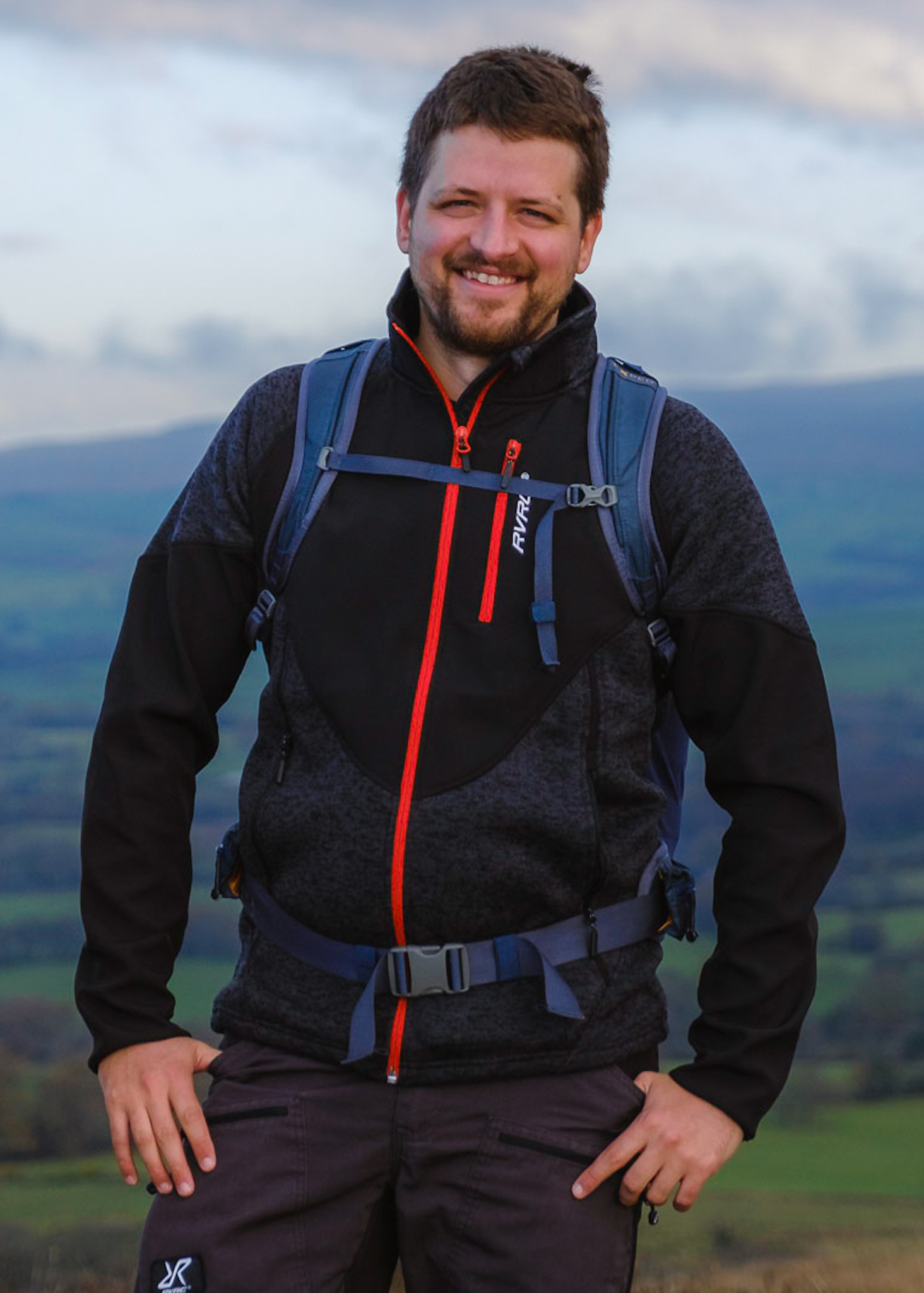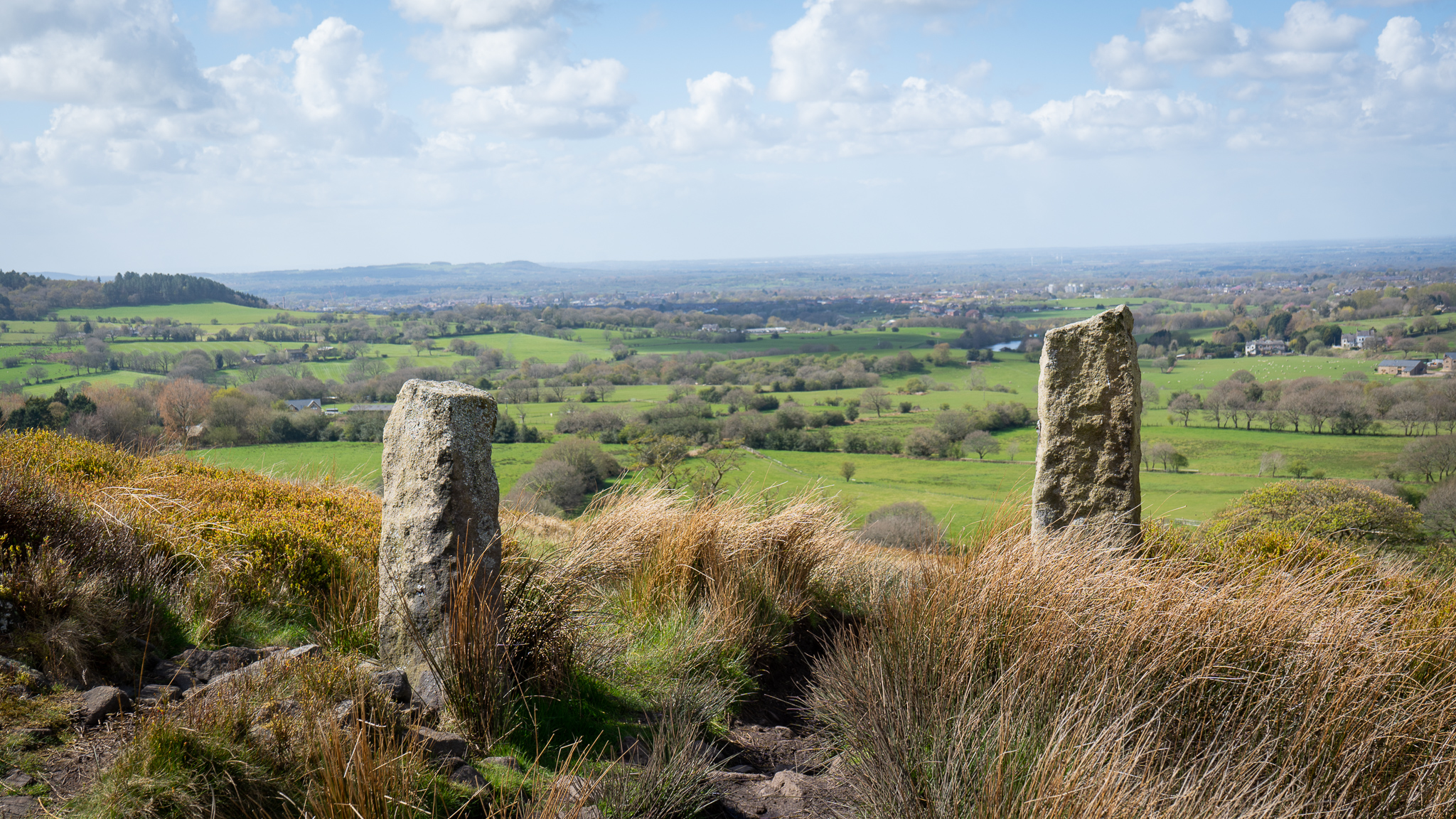
I recently put together a film documentary exploring more than 25 abandoned farms, cottages and ruins scattered across the moorland above Brinscall where I grew up.
There’s a stretch of woodland and moorland above the village of Brinscall in Lancashire that most people walk straight through without a second thought.
Pendle Hill gets the tourists. The Lakes get the weekend warriors. But up here, hidden in the fells and buried beneath Wheelton Plantation (also known as Brinscall Woods) – a woodland that didn’t even exist just over a hundred years ago might I add… are the building remains of families who lived and worked on this land.
Early 2026, I’ve spent the first few months of the year attempting to find & film what’s left of some of them. In total I encountered 26 farms, cottages and ruins – but note, there are at least 47 farm ruins out there to find.
Some you can walk right past on public footpaths. Others are deep in the woods or high on the moor, only accessible if you know where to look (off the beaten track).
This is the Lost Farms of Brinscall Moor – from a Lancashire Lad’s perspective.
Why This Story Matters to Me
Firstly, I’m a farmer’s son. Grew up in Wheelton, just down the road from all of this.
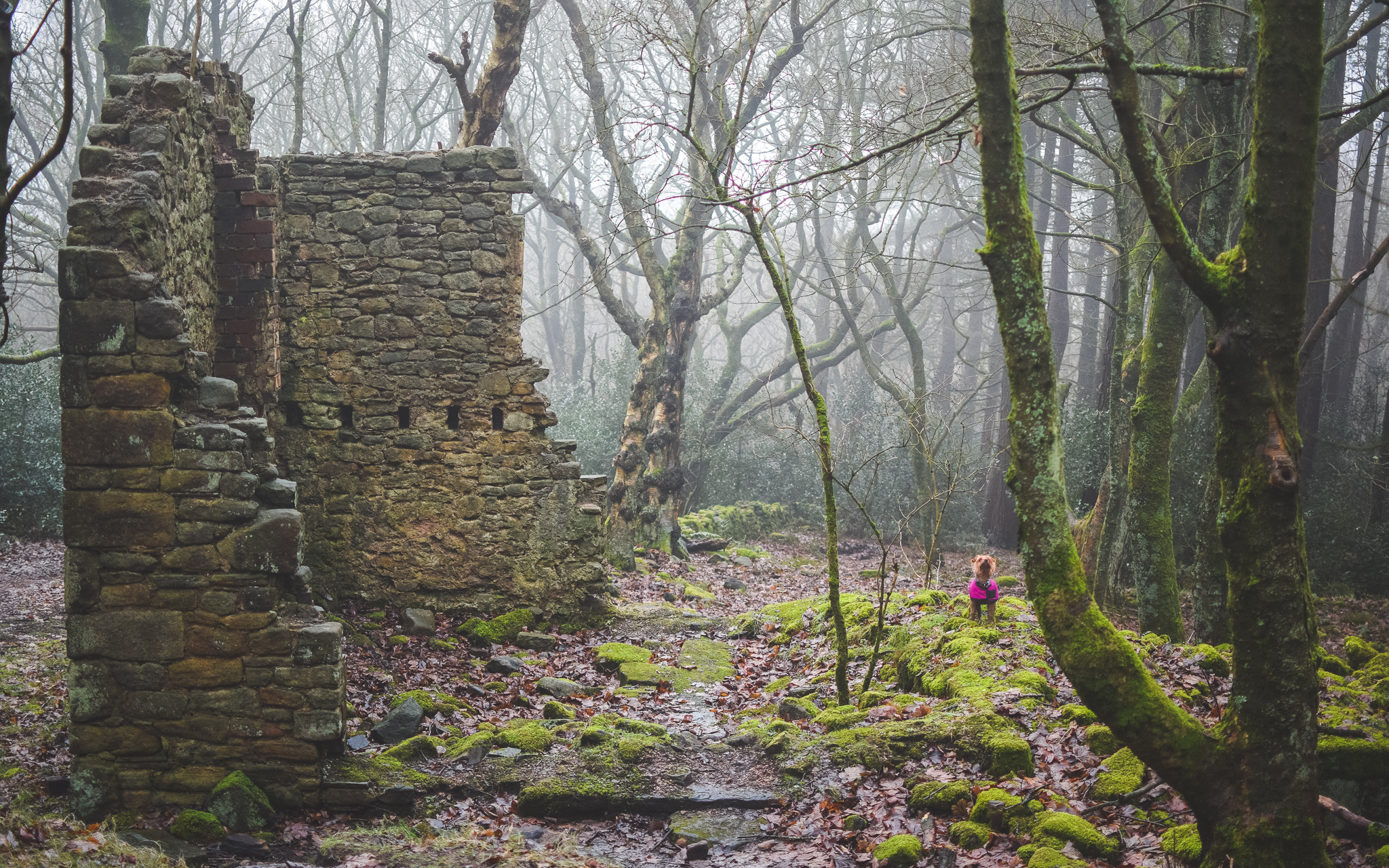
Secondly – as a teenager, I spent many days exploring the woods and fells with my family dog Millie (featured above, next to Marsdens) scrambling through ruins we didn’t understand, sitting by crumbling walls without knowing whose hands had built them.
I didn’t appreciate it then… but I do now.
Most of these were hill farmers. Small acre holdings, self-sufficient for the most part, living into their 70’s & 80’s on fresh air and hard graft. Some of these farms were incredibly remote too — miles from the nearest village, up on exposed fell tops where the wind doesn’t stop. Especially high upon Great Hill!
I grew up farming by the main road in Wheelton. A completely different life, but now I know more of the story, I’ve got a lot of respect for what these families endured up here.
What Happened to Them?
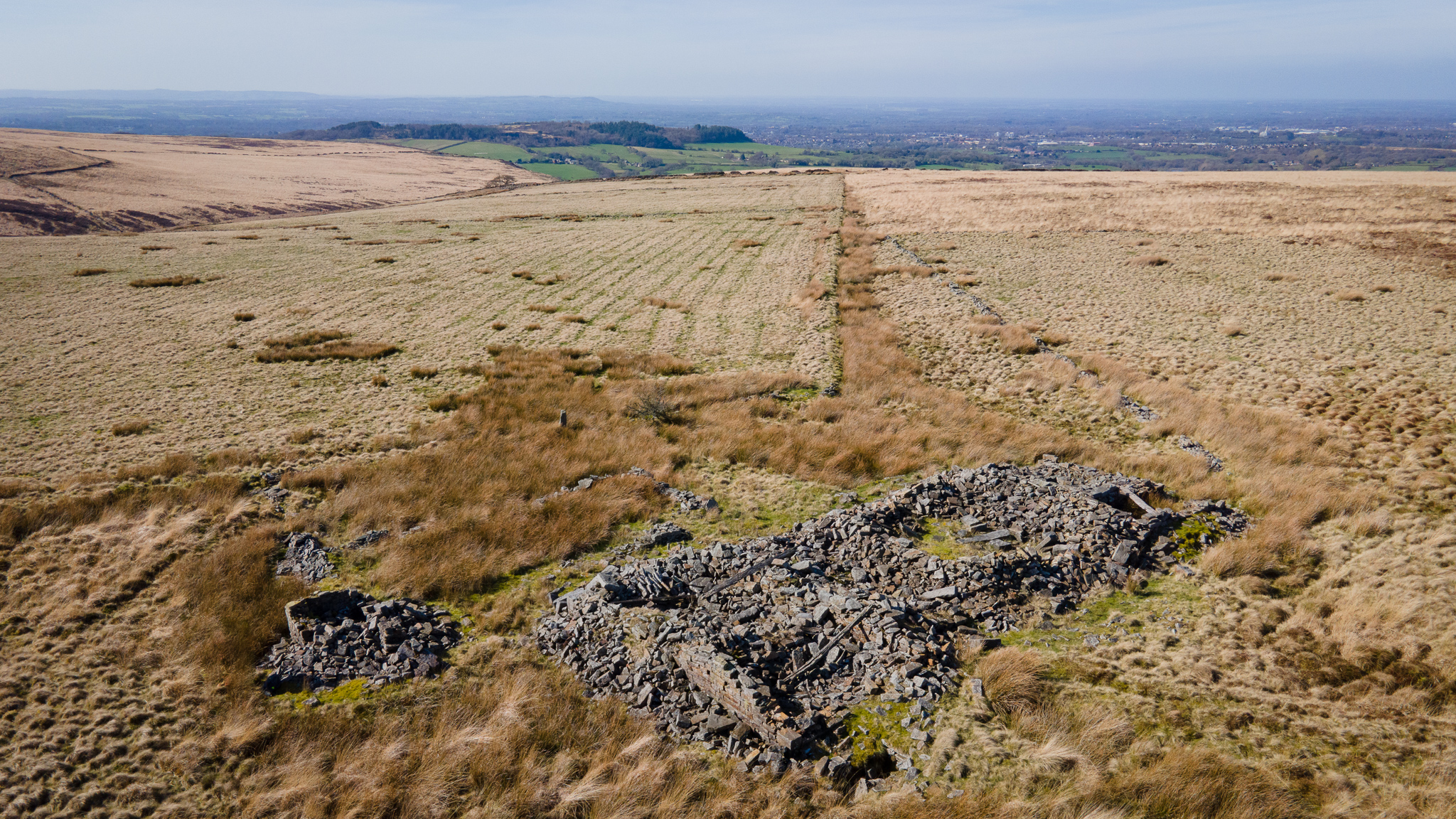
The story isn’t a simple one. Some farms were abandoned naturally… industrial changes pulled workers down into the towns and villages, and the remote small-holdings just couldn’t sustain families from this far anymore.
Naturally, the most isolated ones were the first to go.
But others were forced out. And that’s where it gets slightly controversial…
In 1897, a typhoid outbreak in Maidstone, Kent – hundreds of miles from here, but it changed everything for the families living on Brinscall Moor.
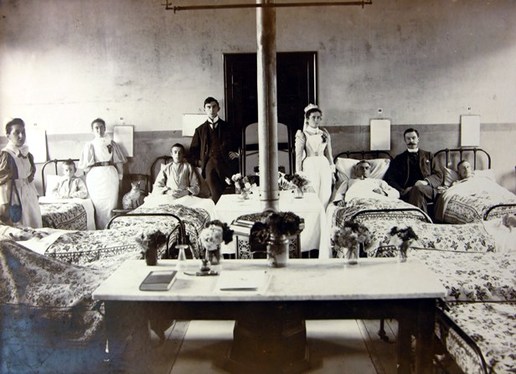
The outbreak was traced to contaminated water, and it triggered a national panic about water catchment areas. Landowners of reservoir land were compulsorily purchased out, the decision backed by the government (of course).
Tenant farmers were told to leave once their short term tenancies were up – forcing families to relocate and give up their familiar farming way of life.
The farms closest to the village of Brinscall – the ones in the woods, above the goit (a man-made water channel built earlier in the 1850’s), were also included, cleared to protect the water supply. Families who’d lived there for generations were simply removed.
It’s a sad story. These were hardy people. Self-sufficient, connected to the land, living quiet lives on the moor. And a typhoid outbreak 250 miles away simply ended it.
The Farms Featured in This Film
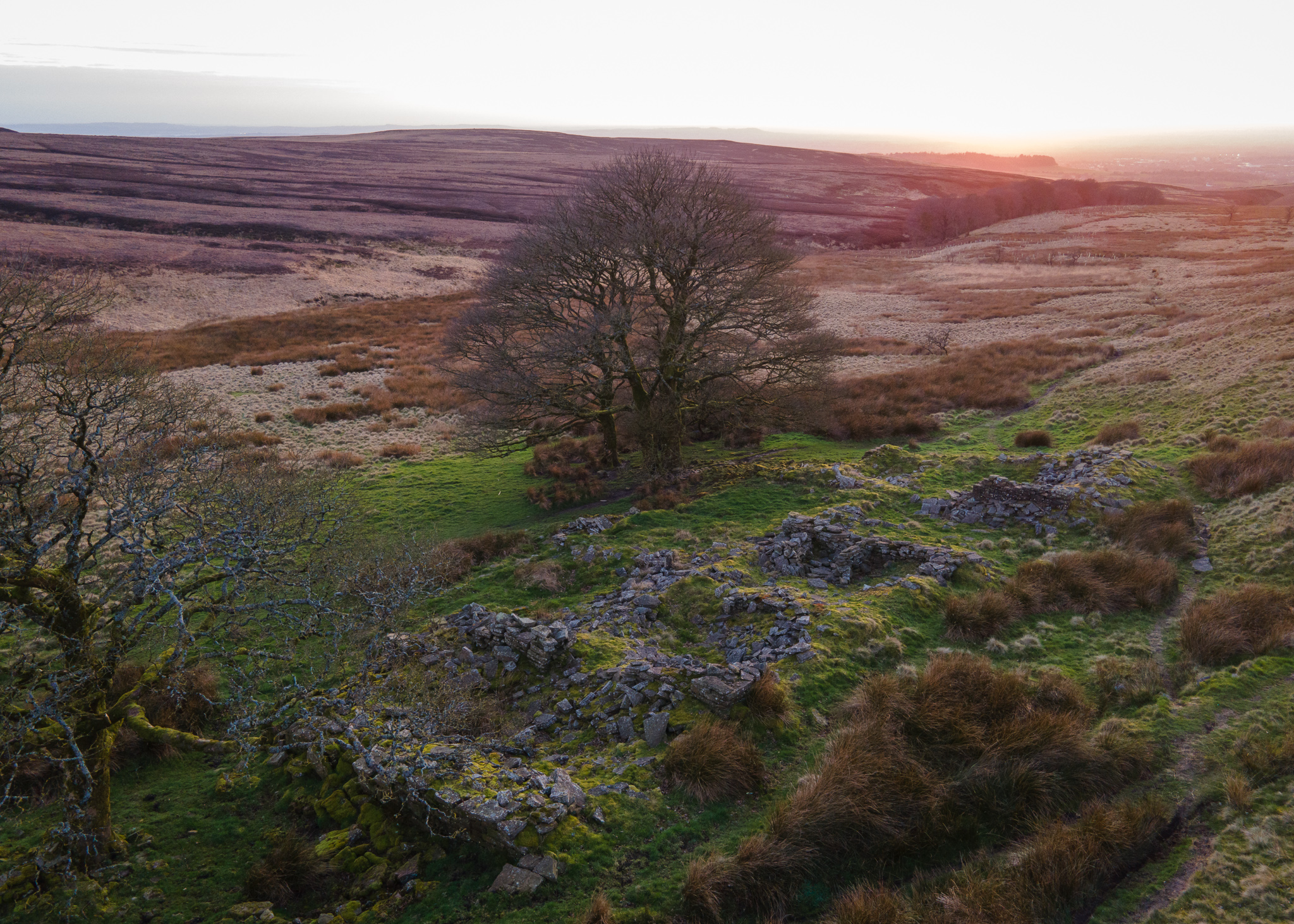
All 26 locations (not all are farms) I visit or reference in the film:
- Top o’th Wood (and Blackhurst)
- Heather Lea (manor house)
- New Ground Cottages
- Ripping
- Beardsworth’s
- Cocker’s Folly
- Heatons
- Hatch Place
- White Hall Cottages
- White Hall Farm
- Ratton Clough
- Solomon’s Temple
- New Temple
- Botany Bay (later known as the Summer House)
- Whittles
- Sour Milk Hall
- Calico Hall
- Drinkwater’s
- Great Hill Farm
- Grimes
- Coppice Stile
- Heapey Moor
- Sharrock’s
- Goose Green
- Fir Farm
- Marsden’s
Each one has its own story and uniqueness to it. Some are little more than a few stones in the grass. Others still have walls standing, fireplaces intact, doorways you can walk through… but all of them are slowly disappearing, especially the ones in the woods.
Mrs Dixon of Marsden’s
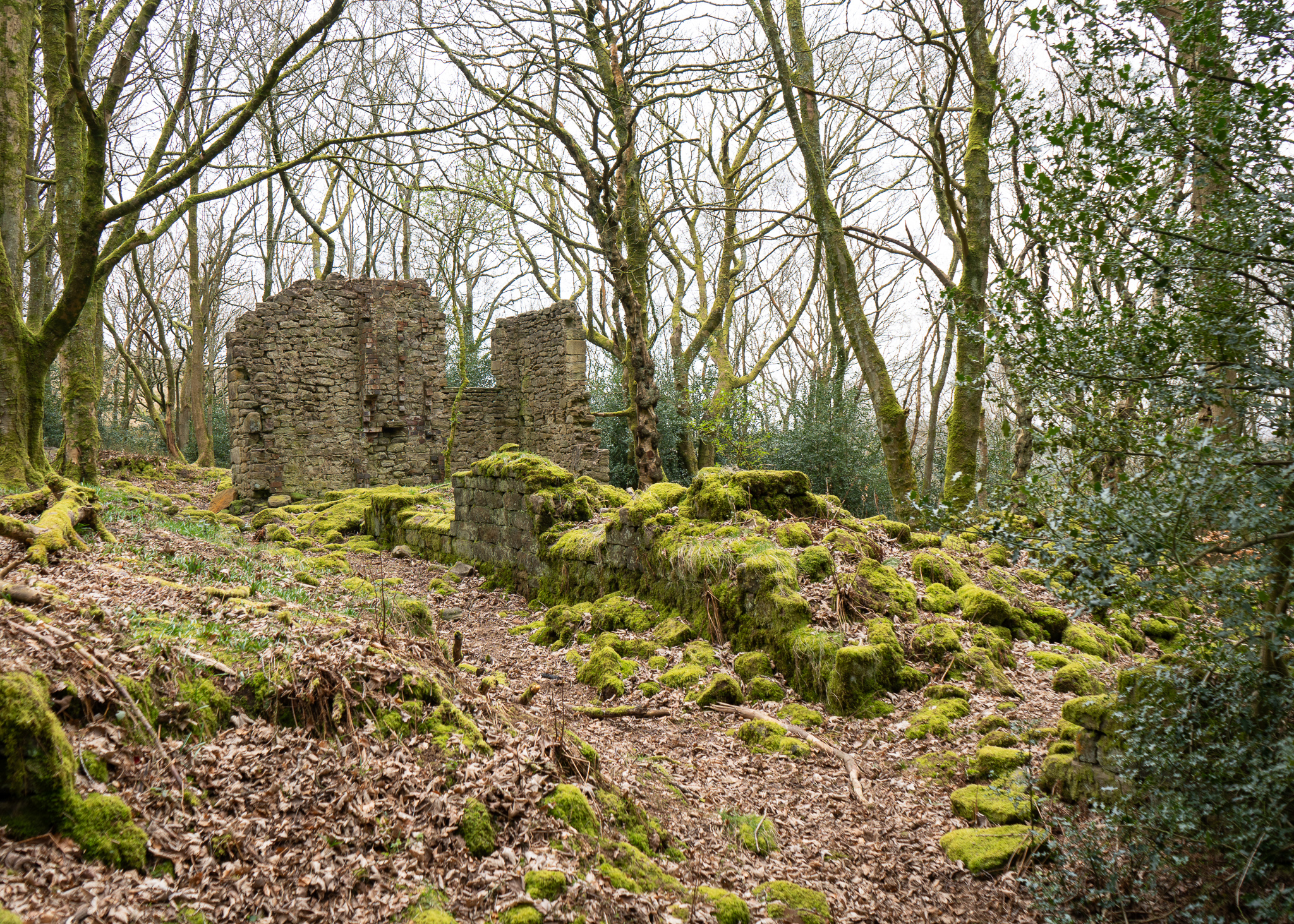
I don’t go deep into the individual family histories in this film – that’s a rabbit hole that deserves its own telling (through an already reliable, published source).
But I do want to mention Mrs Dixon, who lived at Marsden’s and kept a journal. Parts of it are featured in David Clayton’s Lost Farms book (more on that below).
Marsden’s is arguably my favourite ruin. It was growing up anyway.
Hidden in the woods, quiet, atmospheric. Knowing that someone sat there and wrote about their daily life on the moor makes it feel less like a ruin and more like a home that’s just been left too long.
Recommended Walking Route
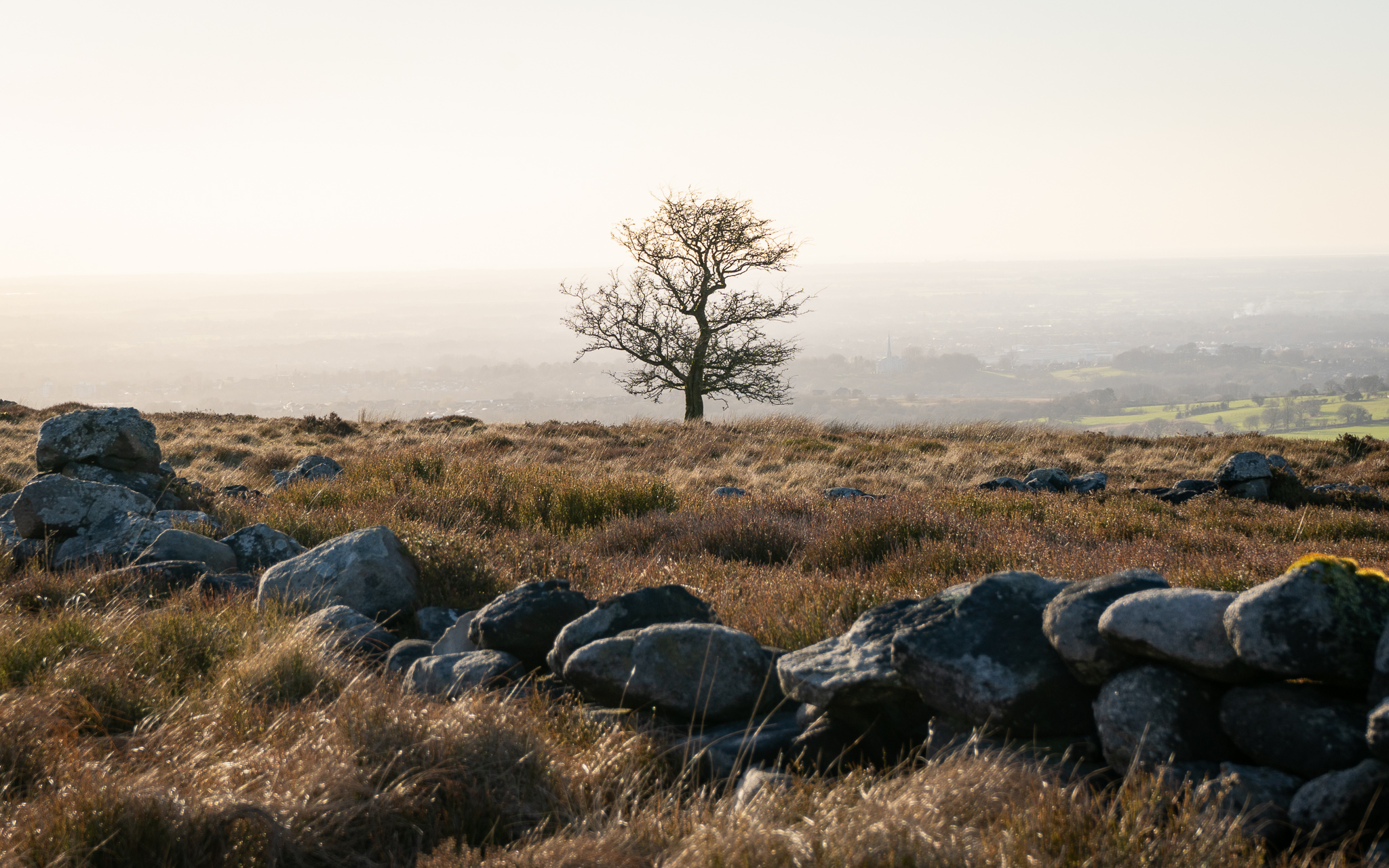
I’ve produced a GPS map for anyone who wants to explore some of these locations for themselves. This recommended 7 mile walking route follows public footpaths only and passes directly by or near 12 of the 26 farms featured in the film, and it does include the summit of Great Hill as well. Superb walk!
Farms you’ll pass on the public footpath route:
- Top o’th Wood (and Blackhurst)
- New Ground Cottages (hidden in plain site)
- Hatch Place
- White Hall Cottages
- White Hall Farm (although flattened – nothing left to see)
- Whittles
- Drinkwater’s
- Great Hill Farm
- Grimes
- Coppice Stile
- Sharrock’s
- Goose Green
Farms NOT on the walking route (off-piste / alternative direction locations):
- Heather Lea
- Heatons
- Ripping (just off Well Lane, metres from Hatch Brook waterfall)
- Ratton Clough (although actually incredibly close to Whittle’s)
- Solomon’s Temple
- New Temple
- Botany Bay
- Beardsworth’s
- Cocker’s Folly
- Sour Milk Hall
- Calico Hall
- Heapey Moor
- Fir Farm
- Marsden’s
These 14 locations are either deep in the woods, or out on open-access moorland – not places I’d recommend visiting without proper GPS mapping, navigation experience or added tips / guidance.
If you do want the pinned locations for all of them, they’re available exclusively to my Patreon members – join The Fell Folk here. Of course, you’ll still have to find them at your own risk, unless you join us on an upcoming ‘members only’ group walk (est. June 2026).
Recommended Reading: The Lost Farms of Brinscall Moor by David Clayton
If this film sparks something in you, and I hope it does – then you need this book.
The Lost Farms of Brinscall Moor by David Clayton
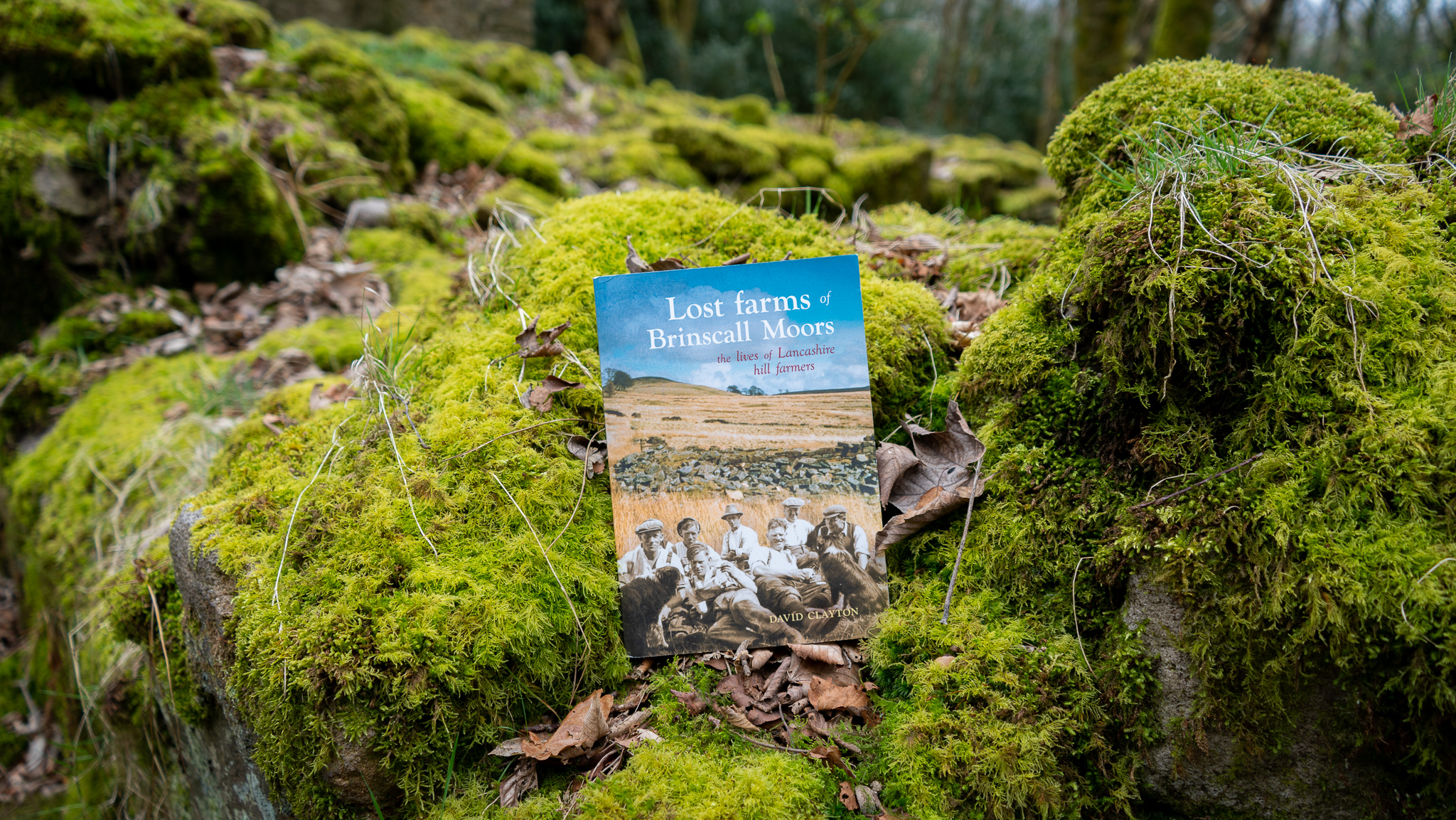
David spent years researching every farm, every family connected to this moorland. His book goes far deeper than I ever could in a film – census records, family histories, maps showing what the landscape looked like before the plantations grew over everything.
He also published his own guided walks in the book, designed to help you find all of the lost farms yourself. If you want to go beyond the public footpath route I’ve mapped and properly explore, his walks are the best guide you’ll find.
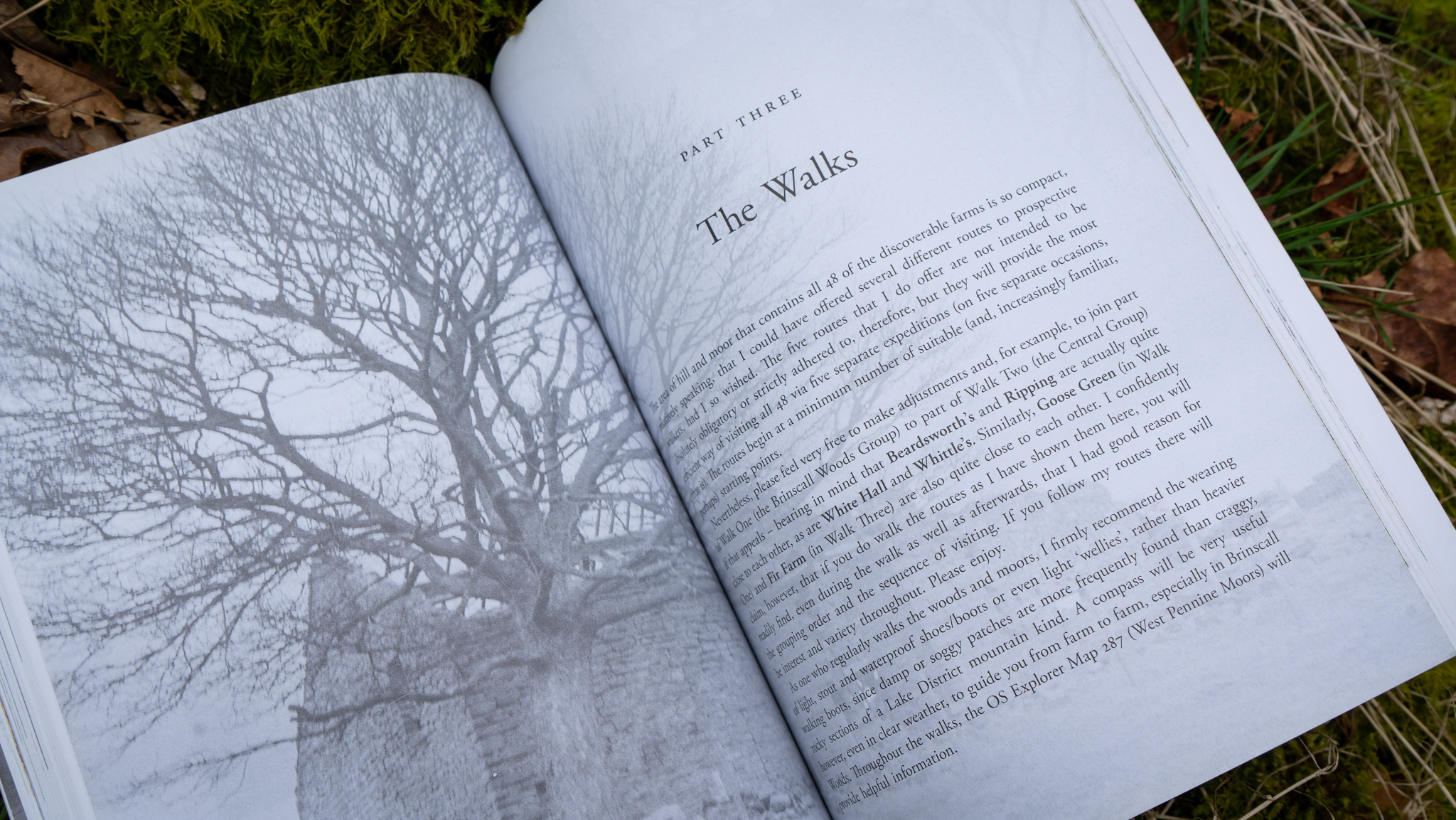
I met David once. He turned up at my family farm to provide my dad (also a farmer) a free copy of his new book. I was only about 20 at the time – not that interested in local history, if I’m honest. But I do remember how enthusiastic he was about this topic, so passionate about these stories. I wish I could go back and ask him everything. He knew this moor better than anyone.
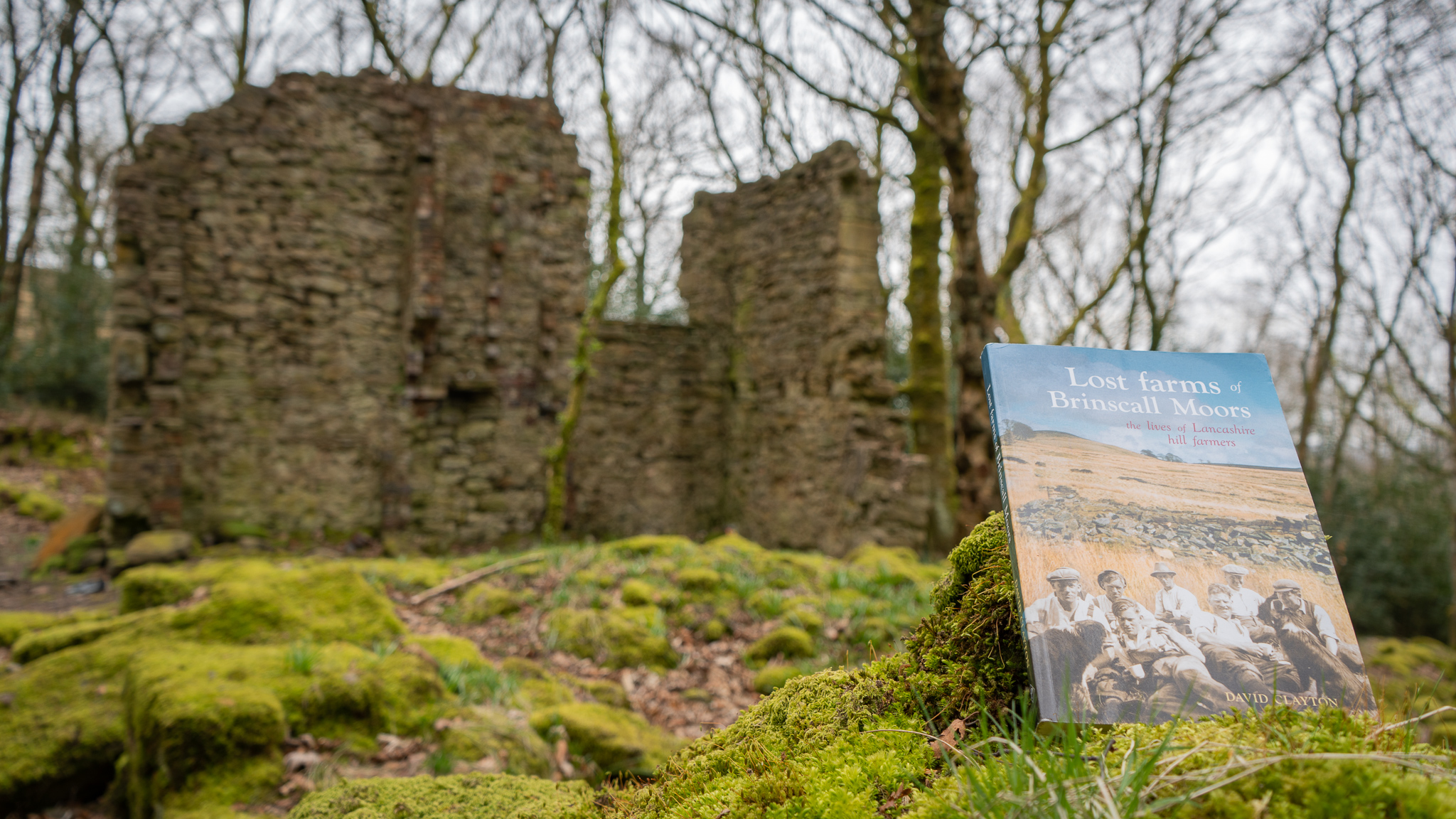
Sadly, David is no longer with us. But his book certainly lives on, and it’s the reason so many of us now know what happened up here. I can’t recommend it enough.
Watch the Full Film
The Lost Farms of Brinscall Moor film I’ve put together is a simple POV / cinematic exploration of all 26 locations highlighted above. No rushing, no shortcuts – just me in the woods, the moor, the ruins, sharing a few of the stories the landscape still tells.
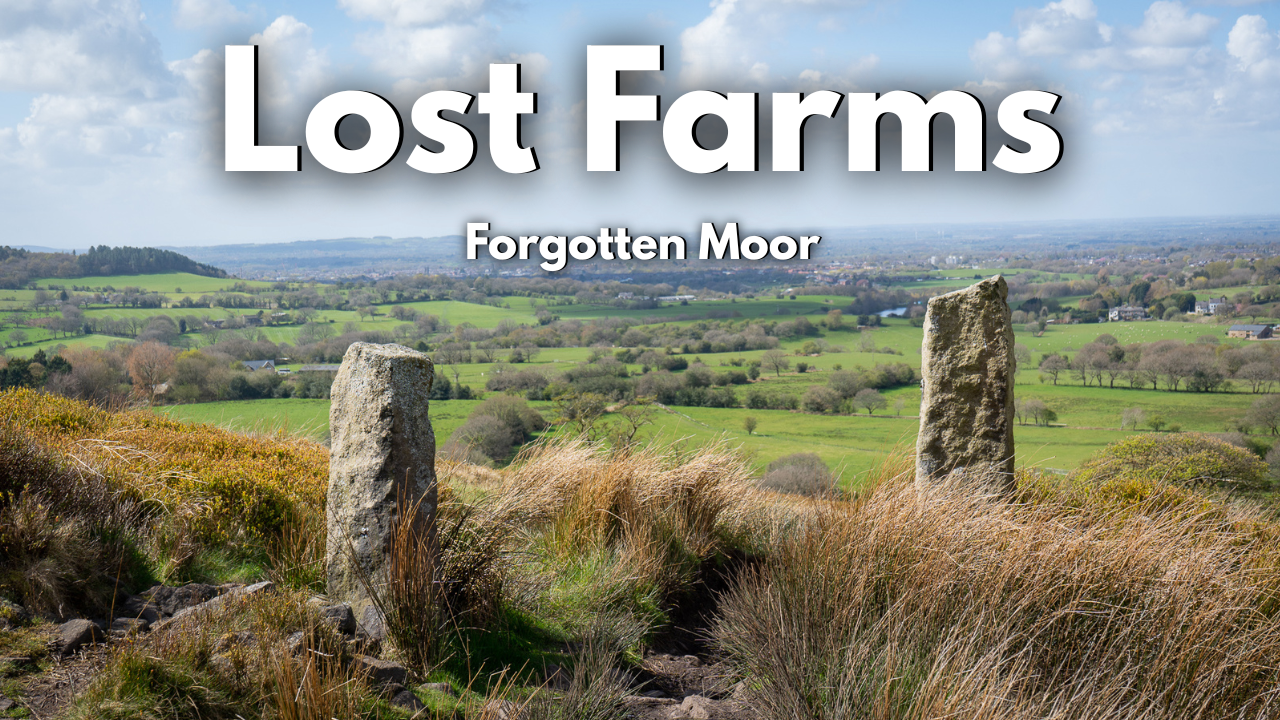
If you enjoyed this, consider joining The Fell Folk on Patreon for exclusive location pins, behind-the-scenes content, and the chance to join us on group walks in the near future.
Without the support of patreon members, I don’t think it would be possible to invest this much time into making films like this – so they are very much appreciated!